2-Wheeler Domain
Digital Keyless Authentication System
Project Description
As electric vehicles become more common, ensuring vehicle security has become increasingly important. Most electric scooters rely on a physical key and basic ignition system, which can be vulnerable if the key is lost, duplicated, or misused. To address this issue, we developed a Smart Ignition System that adds an extra layer of security without making major modifications to the vehicle.
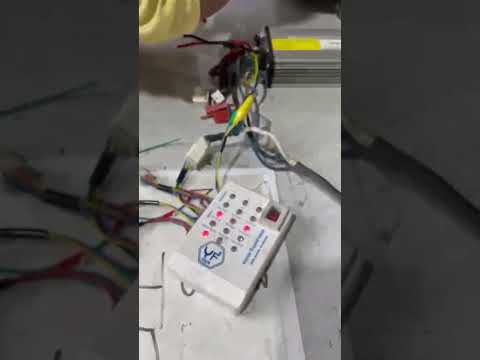
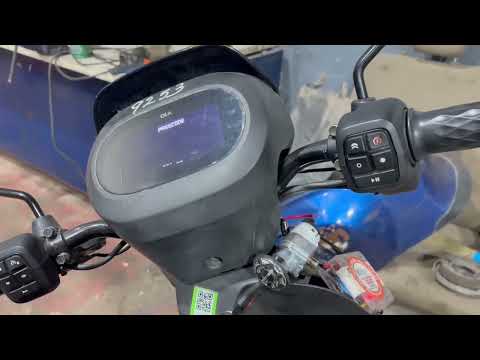
Our project uses an ESP32 Development Board to implement a password-based authentication system. After turning the vehicle key ON, the rider must complete a secure authentication process before the vehicle can be unlocked. The ESP32 monitors the power button, detects a double press, and allows the user to enter a six-digit password using the vehicle's existing '+' and 'OK' buttons. Once the password is verified, relay modules simulate the required button presses to unlock the scooter and enable ignition.
The system is designed to be compact, cost-effective, and easy to integrate with existing electric two-wheelers. By combining a traditional key with digital authentication, the project significantly improves vehicle security while maintaining a simple and user-friendly experience.
Problem Statement
Electric two-wheelers commonly use only a mechanical key or a basic electronic ignition system for vehicle access. If the key is stolen, duplicated, or accessed by an unauthorized person, the vehicle can be started easily, leading to security concerns and an increased risk of theft.
There is a need for a secure, affordable, and intelligent ignition system that provides an additional authentication layer without affecting the vehicle's original electronics or user convenience.
Our Solution
To overcome these security challenges, we developed a Smart Ignition System using an ESP32 microcontroller.
When the rider turns the key ON, the ESP32 powers up and waits for the user to press the power button. After detecting a double press, the system enters authentication mode. The rider enters a six-digit password using the existing '+' and 'OK' buttons available on the scooter. The ESP32 compares the entered password with the stored password.
If the password is correct, the ESP32 activates relay modules that simulate the required button presses, allowing the scooter to unlock and start. If the password is incorrect, the relays remain inactive and the vehicle stays locked, preventing unauthorized access.
This solution enhances security while requiring only minimal additional hardware, making it practical for both educational projects and real-world electric vehicle applications.